Metal additive manufacturing depends on more than printer performance. The condition of the powder used in each build directly influences the stability of the production process.
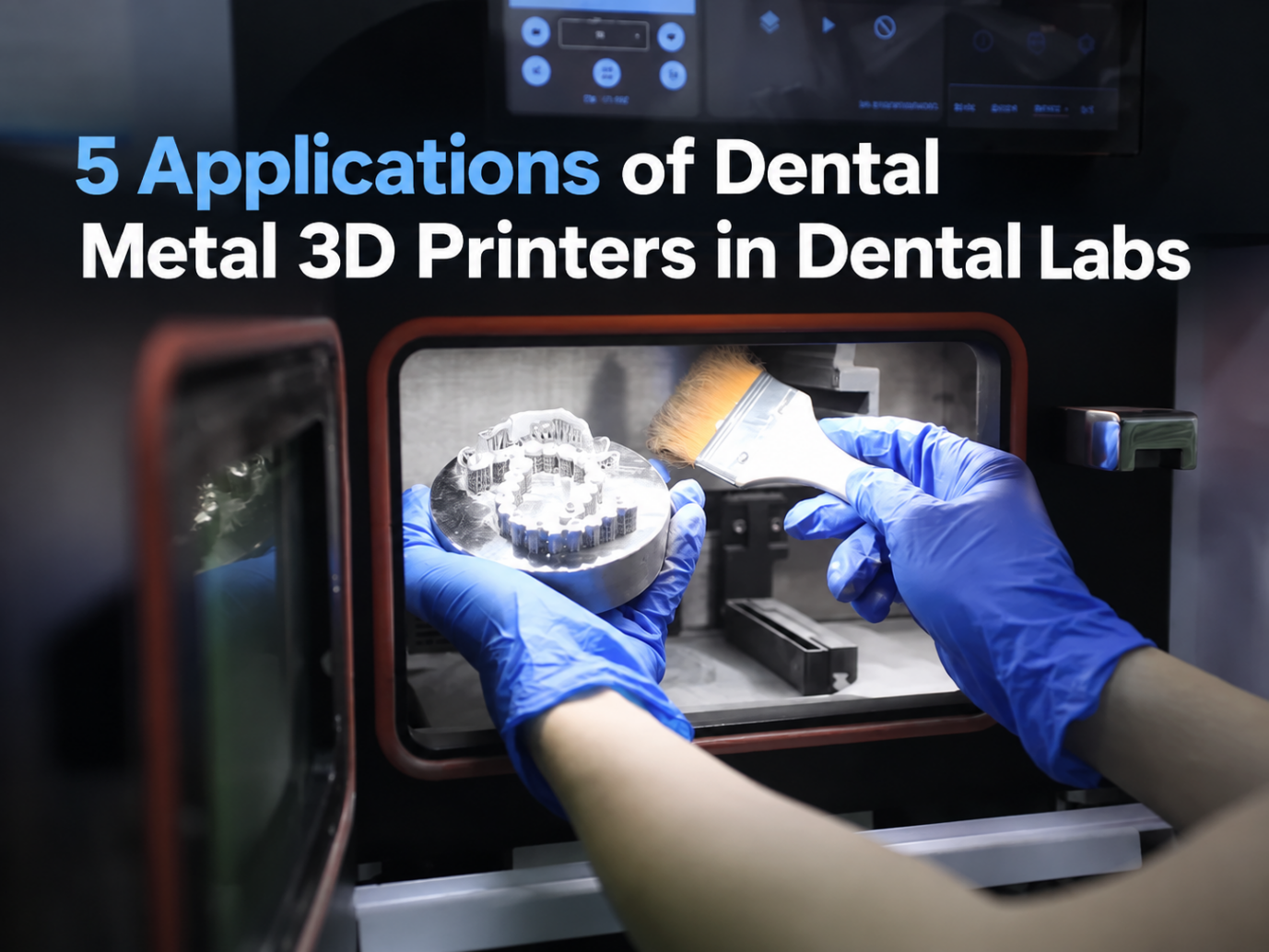
After a metal 3D printing job is completed, a certain amount of unused powder often remains around the printed components. Instead of treating this material as waste, manufacturers can recover and reuse it through proper handling procedures.
However, reuse requires control. Powder must be collected, sifted, evaluated, and stored correctly before it can be reused in production.
In dental SLM workflows, effective powder management plays a critical role in maintaining stable production outcomes. Our cobalt-chromium at Riton alloy powder solutions are developed to support dental manufacturers working with metal additive manufacturing processes.
Recovering Powder After Printing: The First Step Toward Reuse
Powder reuse begins immediately after the printing process ends. The first task is collecting unused powder while protecting it from contamination.
During a metal printing cycle, some powder remains loose around the printed parts and within the build area. This material may still have value, but it needs to be handled separately from printed components and unwanted residues.
A structured recovery process helps manufacturers maintain control over powder batches. Operators should know which alloy was used, where the powder came from, and how it has been stored.
For dental applications, material identification is essential. Different alloys are developed for different purposes, and mixing materials without proper control can affect production reliability.
Our RXT-01 CoCr alloy powder at Riton is designed for dental metal 3D printing workflows. The powder is intended for SLM-based dental manufacturing applications where controlled material handling is required.
Recovering powder correctly creates the foundation for later processing. Without a reliable collection method, even high-quality powder can become difficult to manage.
Sifting Recovered Powder: Removing Problems Before the Next Print
Sifting is one of the most important steps in preparing recovered powder for another production cycle.
The purpose of sifting is to separate usable particles from unwanted material. During printing and handling, powder may develop agglomerates or contain particles that no longer meet the requirements of the manufacturing process.
A suitable screening process helps improve powder consistency before reuse. It supports better powder flow and helps manufacturers maintain a more stable material supply.
Metal powder for 3d printing must have controlled characteristics because the powder forms each new layer during manufacturing. Variations in powder condition may influence how evenly the material spreads and how consistently the printing process performs.
We develop dental metal powders with controlled particle characteristics for additive manufacturing applications. The RXT-01 CoCr alloy powder is produced for dental SLM workflows where stable powder behavior is important.
Sifting should be considered a preparation step rather than the final quality decision. It improves powder condition, but manufacturers still need additional controls before returning material to production.
Checking Recovered Powder Before Returning It to Production
Recovered powder should not automatically be reused simply because it has passed through a sieve.
Before returning powder to another build, manufacturers need to consider its previous usage history and storage condition. Powder that has experienced multiple printing cycles may behave differently from fresh material.
A professional 3d printing metal powder manufacturer understands that powder performance depends on multiple factors, including material composition, particle distribution, and handling procedures.
Manufacturers should create clear internal rules for powder evaluation. These may include recording usage history, separating different alloy batches, and defining when recovered powder requires additional inspection.
The purpose of these checks is to maintain consistent production quality. Reuse is valuable only when it supports stable manufacturing rather than introducing uncertainty.
For dental production environments, controlled powder evaluation helps laboratories maintain repeatable results across multiple restoration cases.
Managing Powder Blends During Multiple Printing Cycles
Many metal printing operations combine recovered powder with fresh powder to maintain a practical material supply. This method requires careful management.
The goal is not simply increasing powder usage. The goal is maintaining a consistent material condition from one build to the next.
Manufacturers should avoid uncontrolled mixing between different powder batches or alloy types. Clear labeling and storage procedures help prevent accidental material contamination.
A reliable powder management system also helps track how material moves through production. Knowing when powder was introduced, reused, or replaced makes future process decisions easier.
For dental laboratories, this level of control supports more predictable additive manufacturing workflows. The material becomes part of a documented production process rather than an unmanaged resource.
Creating a Powder Reuse System for Consistent Metal Printing
Effective metal powder reuse depends on a controlled routine covering collection, sifting, evaluation, and storage. These steps should remain connected to the wider printing workflow, where machine settings, digital preparation, material selection, and finishing processes all contribute to consistent production quality. Treating powder as a managed production resource can improve material utilization while supporting reliable output.
Through our experience in dental additive manufacturing, we at Riton work to provide materials and equipment solutions suited to the operational needs of modern production environments. By emphasizing control, traceability, and consistency, we help support a more efficient and reliable approach to metal 3D printing.