Medical and dental 3D printing environments cannot rely on the printer alone. Supporting equipment influences how materials are handled, how printed parts move through post-processing, and how operators maintain consistent production procedures.
The question behind selecting best 3d printer accessories is not simply which products are available. Professional users need to understand how auxiliary equipment fits into a controlled manufacturing workflow and supports reliable daily operations.
When dental laboratories and medical manufacturers choose production accessories, the decision should always be driven by core process requirements. We at Riton believe that ideal supporting equipment should streamline operations and establish a well-organized manufacturing environment rather than introduce unnecessary complexity.
Why medical 3D printing requires a different accessory evaluation approach
A medical-oriented production workflow involves more than creating a digital model and pressing print. Metal and resin printing processes often include preparation, printing, cleaning, post-processing, and inspection stages.
Each stage creates different operational requirements. Equipment used for powder management, heat treatment, cleaning, or material handling should match the production method and the materials being processed.
Regulations and medical standards generally focus on controlled processes, risk reduction, and traceable operations. Accessories themselves do not automatically create compliance, but suitable equipment can support better manufacturing discipline.
The phrase accessories for 3d printing covers many categories, from basic supporting tools to specialized auxiliary equipment. Professional buyers should avoid evaluating accessories only by price or availability.
The more important question is whether the equipment supports a repeatable workflow. A dental laboratory producing metal restorations may require different support equipment compared with a facility focused mainly on resin models.
Connecting auxiliary equipment with controlled dental production workflows
A well-planned printing environment connects each production stage logically. Auxiliary equipment helps bridge the gap between printing and final preparation.
At Riton, we provide auxiliary equipment options designed around 3D printing workflows, including metal printing auxiliary equipment and resin printing auxiliary equipment categories. The listed equipment includes nitrogen generators, heat-treatment furnaces, sawing machines, polishing machines, vibrating screening machines, vacuum cleaners, curing boxes, and ultrasonic cleaners.
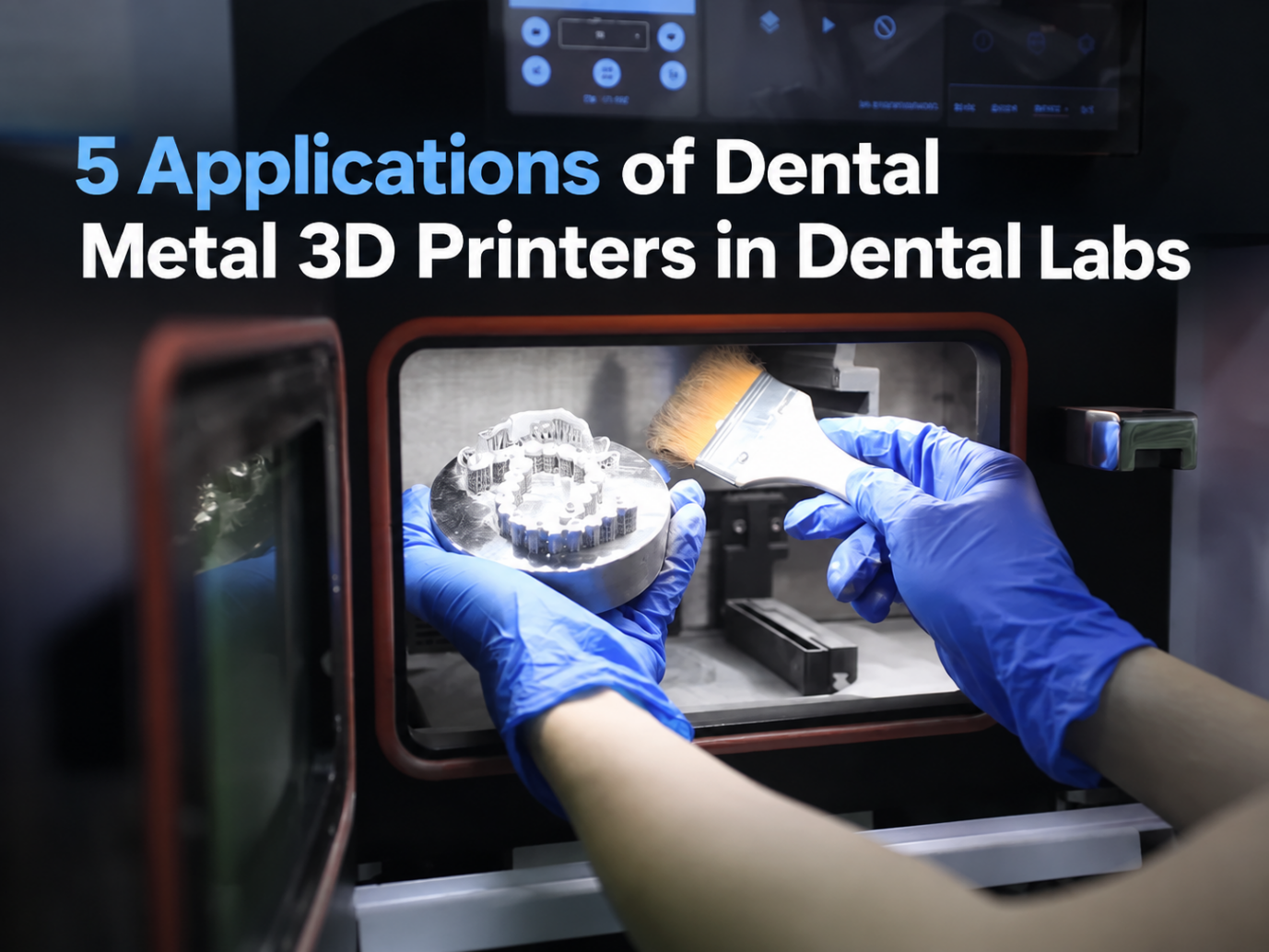
For metal additive manufacturing, equipment selection often relates to material handling and post-processing needs. A nitrogen generator, for example, can support printing environments that require controlled gas conditions, while vacuum equipment can assist with cleaning requirements.
Post-processing equipment also has an important position after printing. Heat-treatment equipment and cutting tools may become necessary parts of a workflow depending on the material and final application requirements.
A complete accessory plan should therefore follow the actual manufacturing route. The equipment arrangement should reflect what happens before printing, during operation, and after parts leave the machine.
What professional buyers should examine before selecting accessories
The first evaluation point should be workflow matching. Buyers should identify which production steps create the greatest operational demands before choosing additional equipment.
A dental laboratory may need to consider powder-related operations, cleaning procedures, finishing requirements, and operator responsibilities. Selecting equipment based on these factors creates a more practical investment strategy.
The second point is equipment integration. Auxiliary products should work effectively with the existing production environment. Our auxiliary equipment portfolio is presented as supporting our 3D printing systems, helping users build a more complete manufacturing setup.
The third point is operational support. Professional equipment requires proper installation, training, and maintenance planning. We at Riton offer equipment consultation, installation guidance, training, and technical support services to help customers operate digital manufacturing systems effectively.
Medical manufacturing environments also require attention to operator safety. Material handling procedures, environmental preparation, and equipment maintenance routines should be considered when building a production system.
Creating a complete support system around metal and resin printing
Different printing technologies require different supporting approaches. Metal printing often involves additional considerations related to powder handling and post-processing, while resin printing usually focuses more on cleaning and curing stages.
Our MLab desktop metal 3D printer materials show related auxiliary equipment including a fritting furnace, mini sawing machine, vacuum cleaner, and nitrogen generator. These products support different stages around metal printing operations.
Resin workflows may require different supporting tools, such as curing and cleaning equipment. The correct combination depends on the intended production process and the type of parts being manufactured.
Searching for best 3d printer accessories should therefore involve a complete workflow review. A single accessory rarely determines production success. The interaction between equipment, operators, and procedures creates the final manufacturing capability.
Riton approaches auxiliary equipment as part of a broader digital production system. Our goal is to help laboratories understand how supporting devices contribute to efficient and organized workflows.
Making accessory decisions based on manufacturing goals
The best accessory strategy starts with a clear understanding of production objectives. Laboratories should define whether they need improved workflow organization, safer handling procedures, smoother post-processing, or expanded manufacturing capability.
A professional accessory selection process does not focus on collecting more equipment. It focuses on creating a balanced production environment where every device has a clear role.
The growing adoption of digital dentistry requires manufacturers to consider the complete workflow surrounding 3D printing. Accessories for 3d printing should be evaluated as operational tools that connect different manufacturing stages.
Strategic planning helps companies investing in dental additive manufacturing minimize uncertainty and achieve long-term workflow stability. To support this, we at Riton deliver digital dental solutions and comprehensive equipment expertise, empowering customers to build resilient production ecosystems.
The right accessories are not simply additional products beside a printer. They are part of the manufacturing structure that helps transform digital designs into finished dental components through controlled and repeatable processes.