The 3D printing manufacturing industry is entering 2026 with a different set of priorities. The question is increasingly shifting from whether a component can be printed to whether additive manufacturing can deliver repeatable value inside a real production environment. Current industry forecasts point toward automation, lower-cost production, new materials, and broader industrial use.
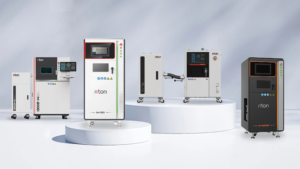
We at Riton see this transition particularly clearly in metal additive manufacturing. Our own development history reflects a move from laser processing technology toward dedicated metal and dental 3D printing equipment, digital solutions, materials, and related services.
Trend 1: 3D Printing Is Moving Deeper Into Production
Prototype manufacturing is no longer the only reason companies invest in additive equipment. Production applications are becoming a stronger focus, particularly where customization, complex geometry, low-volume manufacturing, or design freedom can justify the process.
Current 2026 industry analysis describes a split between increasingly cost-conscious production and high-end applications requiring advanced capabilities. Automation and throughput are becoming central concerns alongside machine capability.
For a 3d printing manufacturing company, that changes how equipment must be developed. A printer needs to fit a repeatable manufacturing system rather than simply demonstrate an impressive sample part.
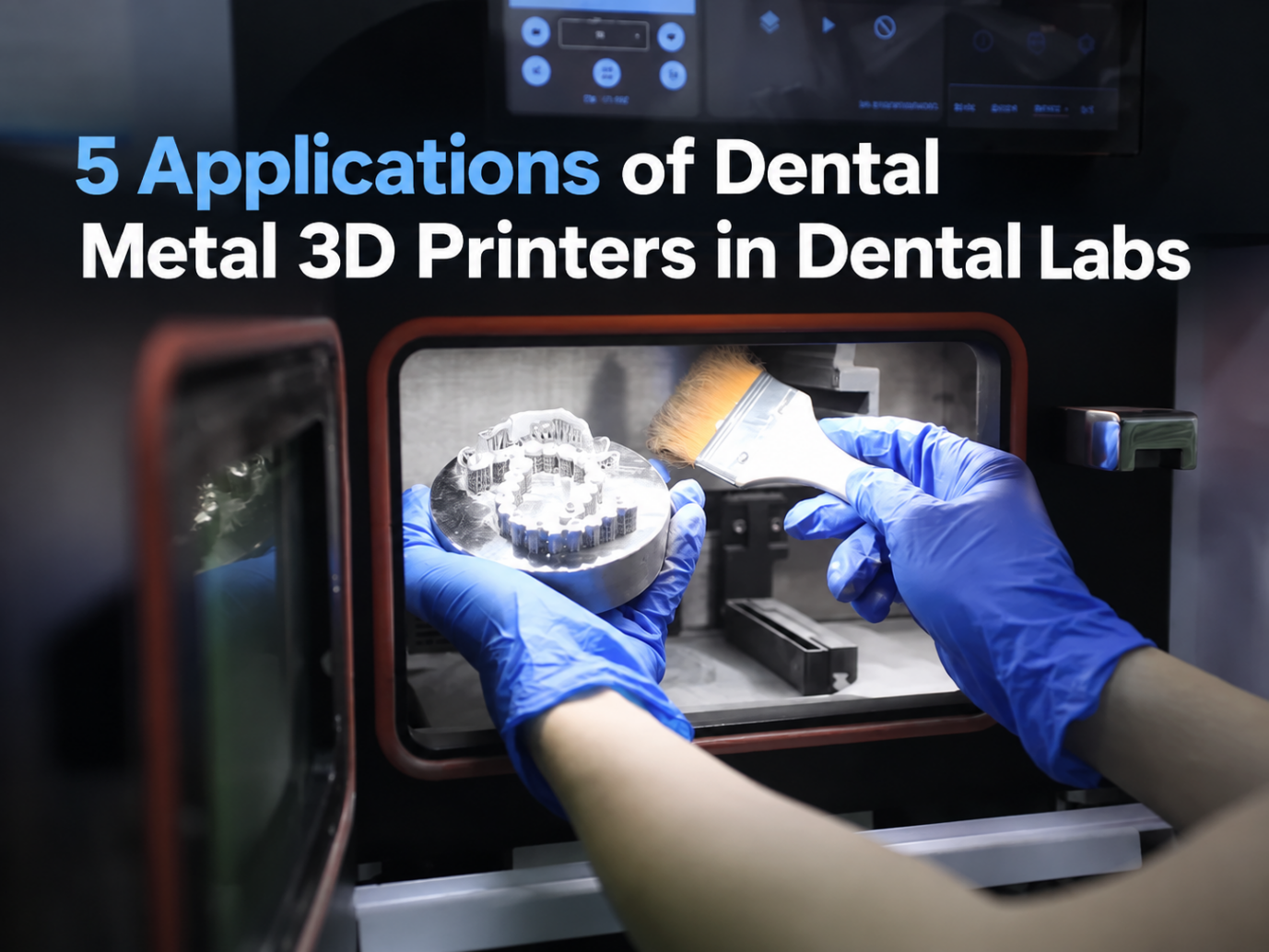
Our timeline provides a useful example. We began developing metal 3D printing technology in the early 2000s and later introduced dedicated dental metal printers, smaller metal systems, titanium-alloy equipment, and dual-laser machines.
Trend 2: Smarter Machines Are Becoming Part of the Factory
Automation is becoming less about removing the operator entirely and more about making production easier to monitor, control, and scale. Manufacturing organizations are increasingly exploring AI, connected equipment, data analysis, and human-machine collaboration. Singapore’s 2026 manufacturing initiatives, for example, emphasize deeper adoption of AI and digital technologies for productivity and skills development.
For best 3d printer manufacturers, this creates a broader engineering challenge. Hardware performance still matters, but software, monitoring, data handling, and production control increasingly influence the overall value of a system.
We have developed products alongside software and digital platforms rather than treating the printer as an isolated product. Our current portfolio includes Riton Controller, Riton Cloud & OrthoWireLab, and a 3D Cloud Design Platform.
The direction is significant because connected manufacturing can help production teams manage more than the print itself. Digital information can become part of planning, machine operation, quality management, and workflow coordination.
Trend 3: Metal Materials and Processes Are Expanding
Metal additive manufacturing is not developing around one universal technology. selective laser melting (SLM), direct metal laser sintering (DMLS), electron beam melting (EBM), directed energy deposition (DED), and binder jetting each address different manufacturing requirements, while material research continues to influence what can be produced and how consistently it can be processed. A 2026 technical review highlights the importance of powder characteristics and process-structure-property relationships in metal additive manufacturing (AM).
Material development is therefore becoming a competitive dimension. The focus extends beyond having a printer that can process metal. Manufacturers also need to understand feedstock behavior, process parameters, application requirements, and the relationship between manufacturing conditions and final part properties.
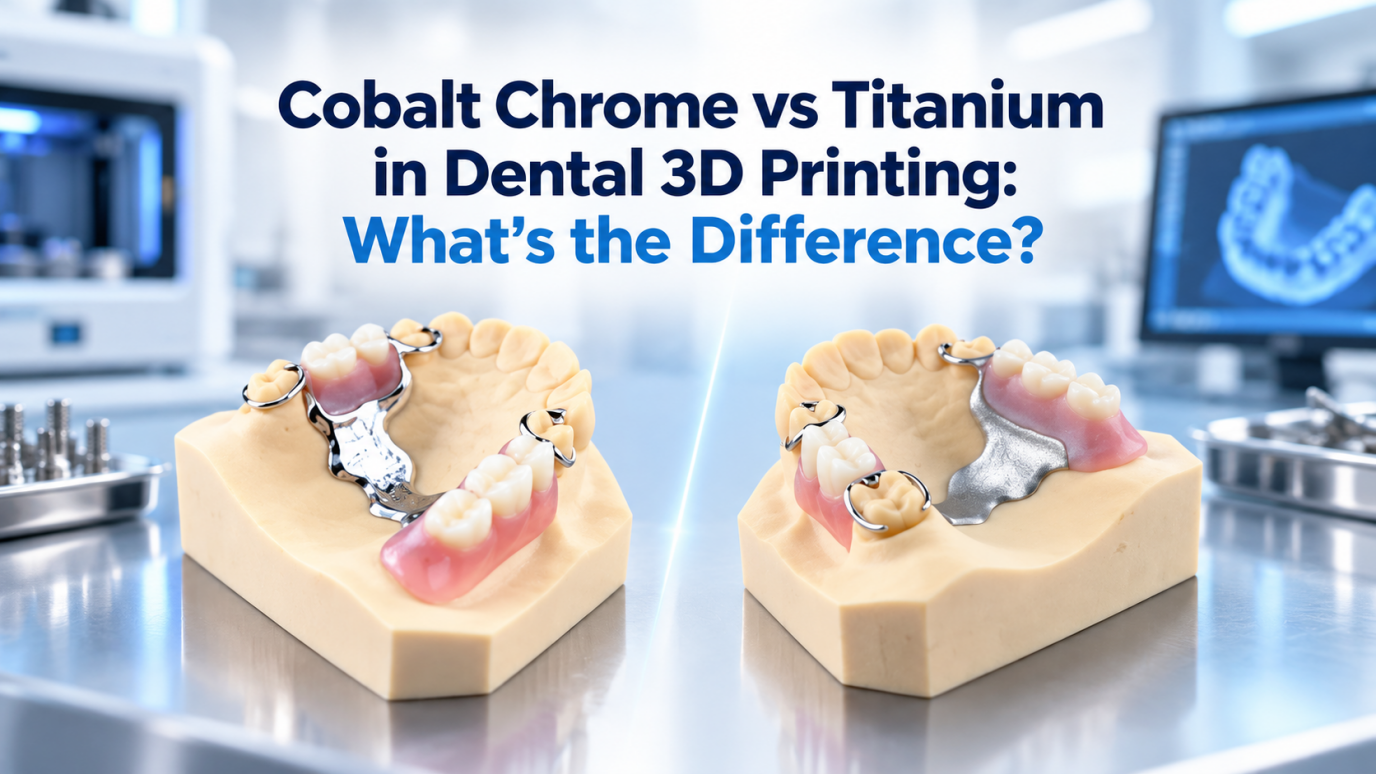
Our product and material portfolio demonstrates this application-oriented direction. We offer metal materials including CoCr, titanium, and NiCr, alongside metal 3D printing equipment designed for professional applications.
For buyers comparing 3d printer manufacturers, material strategy can therefore be as relevant as laser configuration or build volume. The right question is whether the manufacturer’s technology roadmap matches the materials and applications a production operation expects to develop.
Trend 4: Digital Workflows Are Becoming More Connected
Another major change is the movement from standalone printing toward integrated digital manufacturing. CAD data, production preparation, machine control, materials, and downstream processes increasingly need to work as a connected chain.
Dental manufacturing makes this especially visible because digital workflows can connect scanning, design, printing, and finishing. A 2026 review of advanced additive manufacturing in dentistry identifies applications ranging from crowns and bridges to implants, surgical guides, and orthodontic devices.
Our own development has followed this broader digital direction. The company history records the development of dental printing layout software and AI intelligent design software, followed later by resin-printer dental layout software and cloud-based digital platforms.
The implication for a 3d printing manufacturing company is straightforward: selling hardware alone may not address the complete production problem. Customers increasingly evaluate how equipment fits the workflow around it.
Trend 5: Sustainability Is Moving Into Process Decisions
Sustainability is becoming a more technical manufacturing question. Instead of simply asking whether additive manufacturing creates less waste than another method, companies are examining energy consumption, powder utilization, material production, machine operation, and opportunities for circularity.
A 2026 study of metal additive manufacturing found that environmental impacts can be concentrated in machine operation and highlighted circularity as an area requiring further improvement.
That makes sustainability a process-design issue. Part geometry, material requirements, build strategy, powder yield, energy use, and production volume can all influence the environmental profile of additive manufacturing. Research also notes that sustainability results can vary substantially depending on geometry, weight reduction, powder yield, and energy consumption.
We therefore expect sustainability discussions to become more specific. Instead of broad claims about “green printing,” manufacturers will need better evidence about how equipment and production choices affect actual resource consumption.
What These Trends Mean for Manufacturers in 2026
The five trends point toward one broader change: additive manufacturing is becoming a production system rather than simply a printing technology.
Industrial adoption, intelligent equipment, material development, connected digital workflows, and sustainability are increasingly overlapping. A machine can no longer be evaluated only by whether it produces a technically acceptable part.
For the best 3d printer manufacturers, the true competitive edge now lies in how seamlessly they integrate hardware, software, materials, applications, and manufacturing support. Our own evolution—expanding from laser systems into metal and dental 3D printing—mirrors this broader industry trajectory.
The takeaway for production companies is equally clear. The most successful 3D printing strategy in 2026 will not necessarily rely on choosing the most complex machine, but rather on selecting technology that aligns with the target application, integrates into current workflows, ensures repeatable output, and provides a scalable pathway for future manufacturing demands.