Dental laboratories comparing an LCD resin 3D printer with traditional casting methods are usually making a workflow decision rather than a simple equipment choice. Both technologies can support dental production, but they are based on different manufacturing principles.
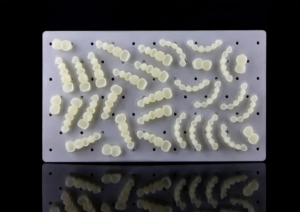
Traditional casting relies on physical preparation, forming processes, and technician-driven production steps. LCD resin printing starts from digital design files and creates models or components through layer-based manufacturing.
The question is not whether one method completely replaces the other. The more important consideration is how each approach fits the laboratory’s production requirements, digital workflow, and future development plans.
At Riton, we focus on helping dental businesses understand how digital manufacturing equipment can connect with modern CAD-based production environments.
LCD Resin Printing and Dental Casting Begin With Completely Different Manufacturing Logic
The biggest difference between the two methods appears at the beginning of production.
Traditional casting begins with a physical manufacturing sequence. Technicians typically prepare patterns, create molds, handle casting materials, and complete finishing procedures before reaching the final result.
LCD resin printing follows a digital manufacturing path. The process starts with a 3D design file, which is prepared through software and transferred directly to the printer.
This difference changes the role of the technician. Casting depends heavily on manual preparation skills, while digital printing places more emphasis on design data management and machine operation.
An lcd resin 3d printer allows laboratories to transform digital information into physical parts without requiring the same pattern-making approach used in traditional casting workflows.
For laboratories already using digital scanners and CAD software, resin printing creates a more connected path between design and production.
The Real Difference Appears Before the First Part Is Produced
The comparison between LCD resin printing and casting is often decided before manufacturing begins.
In a casting workflow, modifying a design may require adjustments to physical patterns and additional preparation steps. Each change can increase the time needed before production continues.
Digital workflows handle changes differently. A modification can usually be made within the design file before printing starts.
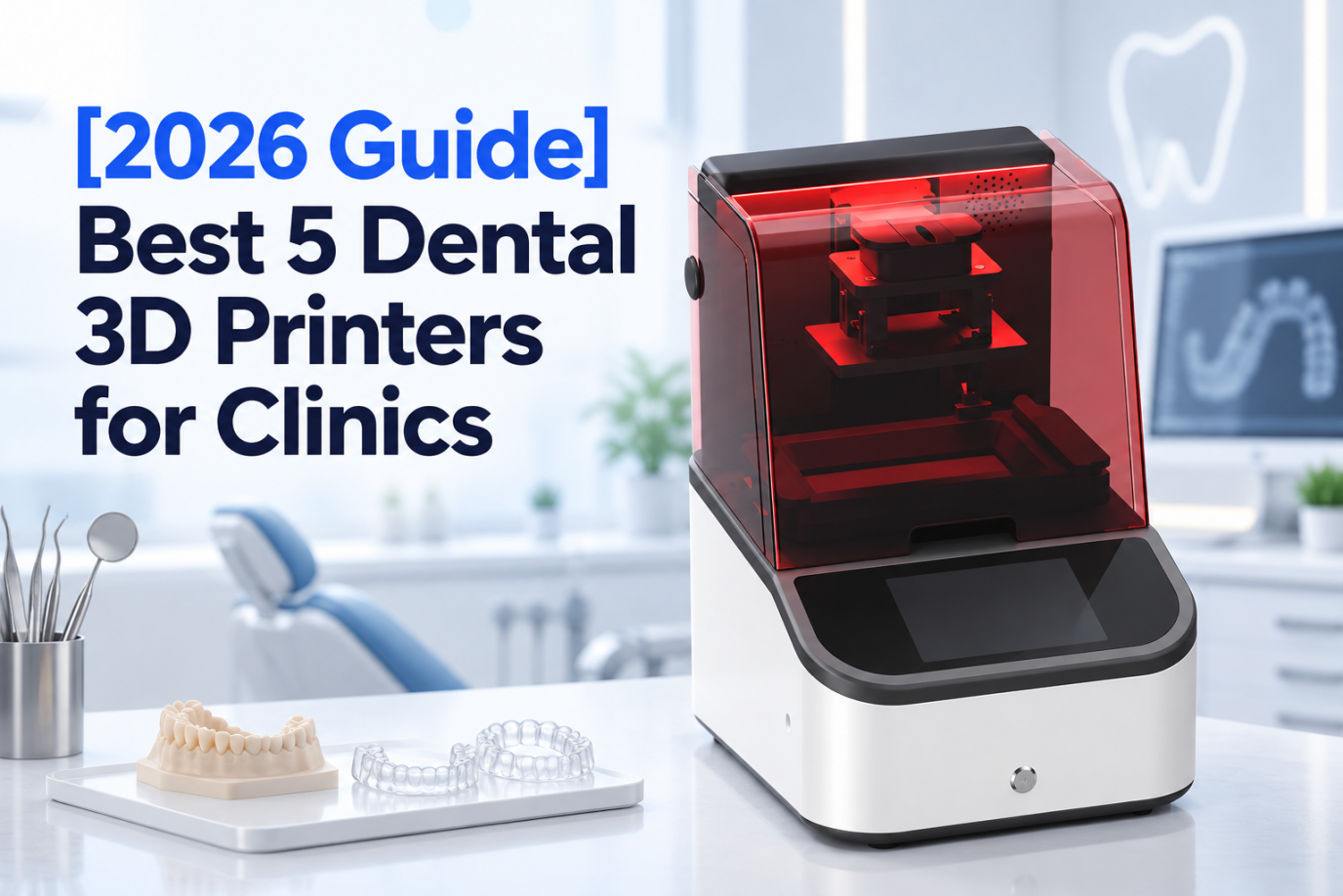
Our RXDENT-L230 is a dental resin 3D printer developed for digital production applications. It is part of Riton’s resin 3D printer range and is designed to support digital workflows in dental laboratories.
This digital-first approach can be valuable for laboratories that frequently handle customized cases where design adjustments are common.
The ability to move quickly between digital modification and physical production is one of the main differences between the two technologies.
Why Dental Laboratories Are Adding LCD Resin Printers to Existing Casting Workflows
The adoption of LCD resin printing does not always mean abandoning casting methods.
Many dental laboratories use different manufacturing approaches depending on the application. Casting may remain suitable for certain established processes, while resin printing can support other parts of the workflow.
For example, digital printing can help laboratories produce models, guides, and other resin-based components directly from digital files.
A resin lcd 3d printer provides another production option that works alongside existing manufacturing systems.
This approach allows laboratories to gradually introduce digital production without completely restructuring their operations.
The decision is often driven by workflow efficiency. When laboratories receive more digital design files or need greater flexibility for customized production, resin printing becomes an increasingly practical addition.
What an LCD Resin 3D Printer Brings to Digital Dental Manufacturing
A modern resin printer is valuable because it connects digital design with physical output.
Dental manufacturing increasingly depends on connected workflows, including digital scanning, CAD design, file preparation, printing, and post-processing.
Our RXDENT-L230 is designed for dental resin printing applications, supporting laboratories that are building digital manufacturing capabilities.
Compared with traditional casting preparation, digital printing can simplify the transition from design completion to production start.
The equipment itself is only one part of the workflow. Successful implementation also depends on software processes, operator knowledge, material selection, and post-processing procedures.
For this reason, laboratories evaluating LCD resin printing should consider how the printer integrates with their entire production environment.
The Right Choice Depends on Your Workflow
Comparing LCD resin printing and traditional casting does not produce a universal winner. The suitable method depends on what the laboratory needs to manufacture and how the workflow is organized.
Casting remains an established technique with experienced technicians and mature procedures behind it.
LCD resin printing offers a digital approach that can support faster design changes, direct production from digital files, and integration with modern dental software workflows.
Integrating an LCD resin 3D printer into your lab’s setup is often a game-changer when scaling up digital production, acting as a core building block for a broader manufacturing strategy.
Looking ahead, we at Riton see digital dentistry thriving on synergy rather than isolated devices. From resin and metal 3D printing to CAD design and post-processing, every link in the chain plays a distinct, vital role in bringing modern production together.
The most effective choice is not determined by selecting the newest technology. It comes from understanding the workflow challenges a laboratory needs to solve and choosing equipment that supports those goals.