For dental laboratories using resin-based additive manufacturing, achieving accurate dental models also requires careful attention to material safety. Resin selection influences more than print quality; it can affect workflow control, operator safety, and the reliability of the final application. Choosing a material that matches both the production process and its intended use is therefore an important part of resin 3D printing.
Regulations and safety standards provide a framework for responsible resin use. They help laboratories evaluate material documentation, processing requirements, and production procedures before introducing new materials into their digital workflow.
At Riton, we focus on developing dental 3D printing solutions that support professional production environments. Understanding the relationship between printers, materials, and safety procedures helps laboratories create more controlled manufacturing processes.
Why Resin Material Safety Has Become a Production Decision
Dental resin materials are designed for different purposes, and each application requires careful evaluation. A laboratory producing models, guides, or other dental components must confirm that the selected resin matches the intended workflow and processing conditions.
A high-quality printing process begins before the machine starts. Operators must understand resin storage conditions, handling instructions, curing requirements, and cleaning procedures. Poor material management can influence printing consistency and workplace safety.
A lcd resin 3d printer workflow typically involves liquid photopolymer materials that are transformed into solid structures through light curing. Because these materials undergo chemical changes during printing and post-processing, laboratories need clear procedures for handling uncured resin and finished parts.
Safety documentation from material suppliers provides important information about appropriate use. Technical data sheets, safety data sheets, and application guidelines allow businesses to establish internal operating standards.
Regulatory Factors That Shape Resin Material Selection
Material compliance depends on the specific application and market requirements. Dental companies should avoid selecting materials based only on printing speed or appearance. The intended use of the final product determines what level of evaluation may be required.
Some dental applications involve direct patient contact, while others are used for indirect manufacturing steps such as model production. These different scenarios require different considerations during material selection.
A professional resin workflow should include verification of supplier documentation, production instructions, and applicable regulatory information. Companies working across international markets may also need to review regional requirements before commercial use.
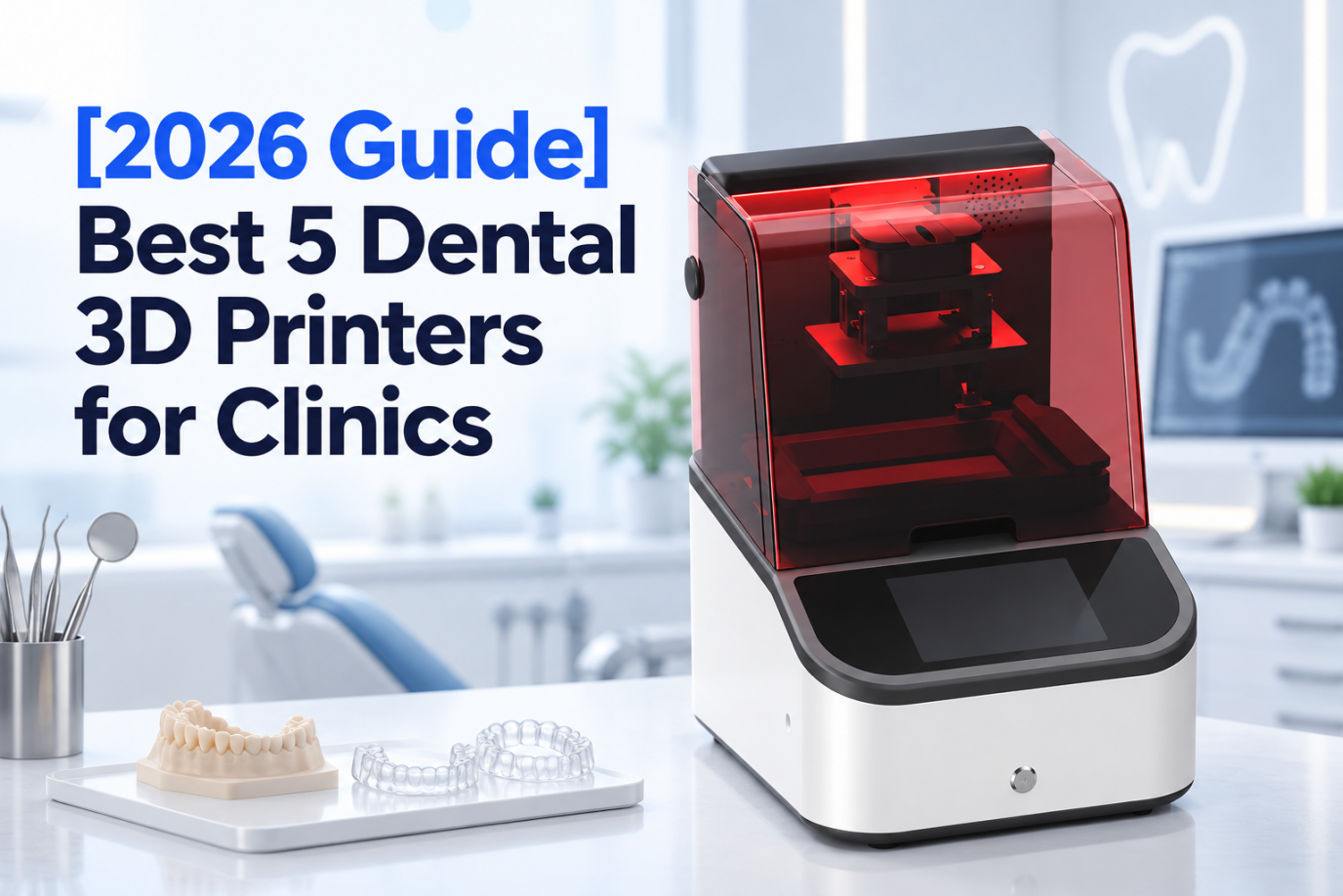
We at Riton provide dental resin printing solutions designed for digital dentistry workflows, including the RXDent-L230 resin printer. Our system uses LCD technology and supports dental production needs through features such as an 8K monochrome screen, 30 μm pixel size, and a molding size of 228 × 128 × 150 mm.
A high speed resin 3d printer can improve production efficiency, but speed should always be balanced with correct material processing. Faster output does not remove the need for proper curing, cleaning, and quality checks.
Managing Safety Throughout the Digital Printing Workflow
Material safety extends across the complete printing cycle. Resin handling begins when materials arrive at the laboratory and continues until printed parts complete post-processing.
Storage conditions should follow supplier recommendations to maintain material stability. Containers should remain properly sealed, and operators should avoid unnecessary exposure to uncured resin.
During production, laboratories should establish consistent procedures for loading resin, operating equipment, cleaning printed parts, and managing waste materials. These steps reduce workflow variation and create a safer working environment.
Post-processing is another important stage. Printed components may require washing and additional curing before use. The final characteristics of a printed part depend not only on the printer but also on correct post-processing methods.
Training is also essential. Operators should understand machine operation, resin handling, and emergency procedures. A controlled workflow reduces mistakes and improves repeatability.
How Printer and Material Coordination Supports Reliable Production
A printer and resin combination should be evaluated as one production system. Material performance depends on factors such as exposure settings, layer thickness, and curing conditions.
The RXDent-L230 is designed for dental resin printing applications and includes stable light intensity control, 8x anti-aliasing support, and high-speed layer printing capabilities. These features help laboratories manage detailed dental production tasks while maintaining workflow efficiency.
However, equipment capability does not replace material knowledge. Laboratories still need to validate printing parameters for each resin type and application.
Using an LCD resin 3D printer without proper parameter management can lead to inconsistent results. Successful production requires coordination between digital design files, printer settings, resin characteristics, and post-processing procedures.
This coordinated approach is especially important for dental businesses producing multiple types of components. Standardized workflows allow technicians to repeat successful processes instead of adjusting procedures for every case.
Building a Compliance-Oriented Resin Printing Environment
A safe resin printing environment combines technology, documentation, and employee awareness. Dental laboratories should create internal guidelines covering material receiving, storage, printing procedures, cleaning processes, and maintenance routines.
Regular review of supplier updates is also valuable. Resin formulations, workflow recommendations, and regulatory expectations may change over time. Keeping records helps companies track production decisions and maintain consistency.
Successful digital dentistry depends on how effectively technology is incorporated into a controlled and consistent manufacturing process. Maintaining responsible production practices helps dental laboratories connect advanced equipment with quality management and reliable results.
We support dental professionals by providing equipment solutions that fit structured digital workflows. The RXDent-L230 is designed for dental laboratories seeking efficient resin printing with features including high-resolution LCD exposure, a large printing area, and intelligent software support for file preparation and print management.
Conclusion
Regulations and safety standards for resin 3D printing materials are not separate from production efficiency. They are part of building a reliable dental manufacturing workflow.
Laboratories that evaluate materials carefully, control processing steps, and align printer settings with resin requirements can achieve more predictable results. A professional approach to safety allows digital dentistry teams to expand production while maintaining responsible manufacturing practices.