Dental resin 3D printing is now widely used across digital dentistry, bringing new options for producing dental components and models. When evaluating equipment, however, printing speed and resolution are only part of the decision. For dental laboratories and manufacturers, material safety and suitability for the intended application are equally important, particularly when printed parts are used in clinical-related workflows.
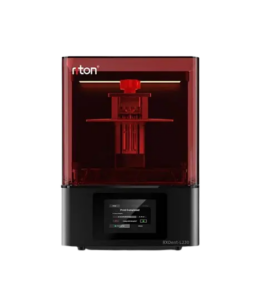
A dental resin 3D printer must be evaluated as part of a complete production system. The printer, resin material, curing process, and intended application all influence whether a workflow meets the expectations of dental manufacturing.
We are Riton, and we provide digital dental printing solutions that combine resin printing equipment and dental-specific materials. Understanding biocompatibility helps laboratories make better decisions when building reliable digital production processes.
Why Biocompatibility Becomes a Critical Question in Dental Resin Printing
Biocompatibility refers to how a material interacts with biological environments. In dentistry, this concept becomes important because some printed components may be used in situations where contact with patients is involved.
The requirements for a material depend on its intended application. A resin used for a demonstration model may have different evaluation requirements compared with a material designed for surgical guides, temporary restorations, or other dental-related uses.
For this reason, buyers should not evaluate resin materials only by appearance or printing accuracy. A complete assessment should consider whether the material is developed for the specific dental application and whether relevant documentation is available.
A uv resin 3d printer provides the manufacturing platform, but the printer alone does not determine biocompatibility. The resin formulation, curing conditions, cleaning procedures, and final processing steps all contribute to the overall workflow.
Our resin printing solutions are designed specifically for dental applications, combining UV curing technology with dental-focused resin materials and workflows.
How Resin Printing Workflows Affect Material Safety Evaluation
The printing process does not end when a model leaves the machine. Post-processing plays an important role in achieving the intended material performance.
Photopolymer resin printing uses light energy to cure liquid resin layer by layer. After printing, parts usually require cleaning and additional curing procedures to achieve their final condition. Each stage can influence the characteristics of the printed component.
A dental resin 3d printer should therefore be considered together with the recommended resin and post-processing workflow. Using an appropriate combination of equipment and materials helps laboratories maintain more consistent production procedures.
Digital dentistry requires repeatable processes because small variations can affect final results. Controlled printing parameters, proper resin handling, and standardized curing methods support more predictable manufacturing.
Material selection should also match the purpose of the printed part. Different dental applications may require different resin characteristics, so laboratories should confirm that the selected material is suitable for the intended workflow.
What Features Should Buyers Evaluate in a Dental Resin 3D Printer?
Equipment features influence how effectively a laboratory can manage resin-based production. While biocompatibility primarily relates to materials and applications, the printer contributes to process control and manufacturing consistency.
One important factor is printing precision. Dental workflows often involve detailed digital models, requiring equipment capable of accurately reproducing design information. Stable printing performance helps laboratories produce components that match their digital designs.
Another factor is curing control. UV curing systems rely on controlled light exposure to solidify resin materials. Consistent exposure conditions help maintain repeatable printing results across production cycles.
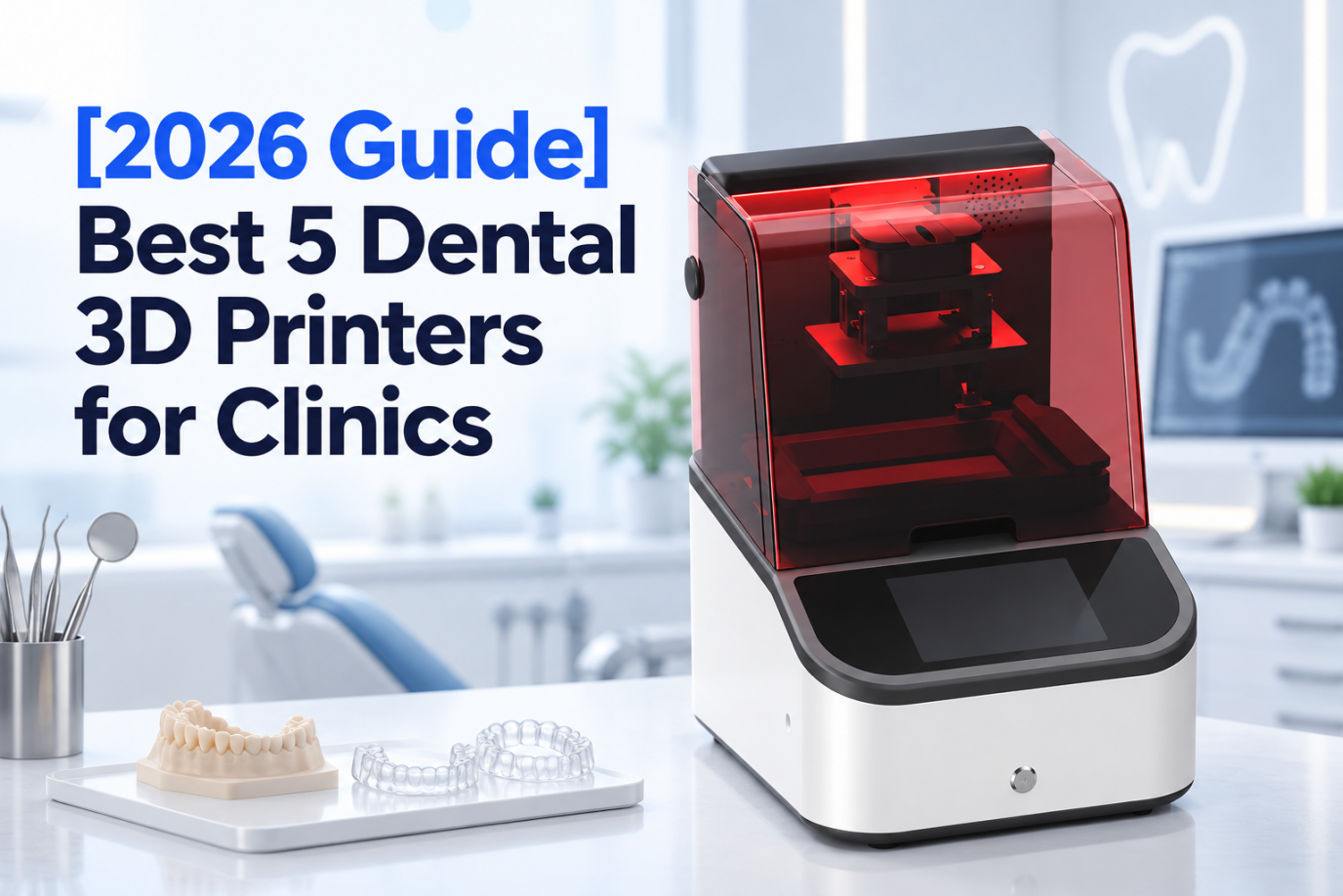
Riton’s RXDent resin 3D printer series is designed for dental applications and uses UV curing technology for resin printing workflows. The printers support dental laboratories that require precise production, efficient workflows, and high-quality surface finishes.
Equipment selection should also consider workflow management. Features such as operation simplicity, monitoring capability, and compatibility with dental resin materials can influence daily production efficiency.
For companies comparing a uv resin 3d printer, the goal should be finding equipment that supports a controlled and documented manufacturing process rather than focusing on one specification.
How to Choose a Partner for Biocompatible Dental Resin Solutions
Building a stable resin printing workflow begins with supplier selection, so dental manufacturers should work with partners who understand the relationship between equipment performance, material properties, and application requirements.
A capable dental resin manufacturer should offer more than printing materials. Technical expertise, application guidance, consistent product development, and clear documentation can help laboratories choose materials that fit their production needs. At Riton, we develop dental resin materials and printing solutions for digital dentistry workflows, covering applications such as dental models, surgical guides, splints, temporary solutions, and other dental manufacturing needs.
When evaluating a supplier, buyers should also review product documentation and available certification or testing information. Confirming that materials are suitable for their intended applications provides a more reliable basis for comparing suppliers and selecting solutions that meet specific production requirements.
Achieving excellence in dental 3D printing requires a cohesive approach connecting equipment, material properties, and operational workflows. Driven by this vision, we at Riton provide advanced solutions that enable dental experts to optimize their digital manufacturing systems.
Biocompatibility evaluation is not a single specification check. It requires understanding how resin materials, printing equipment, curing procedures, and applications work together. For laboratories adopting digital dentistry, selecting the right dental resin 3D printer and material partner is essential for creating controlled and dependable production workflows.