Dental laboratories often focus heavily on printing accuracy, material selection, and design software, but the final finishing stage can determine whether a restoration meets production expectations. Uneven surfaces, inconsistent gloss, or unnecessary manual corrections usually indicate workflow problems rather than isolated polishing issues.
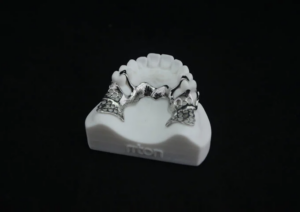
When investing in dental polishing equipment, labs need to look past basic category comparisons and examine how operational mechanics, pre-treatment steps, and output volume align. Proper management of this polishing stage can support greater consistency, reduce rework, and create a more reliable finishing workflow.
Why Polishing Performance Becomes Inconsistent in Dental Production
Many polishing problems begin before the polishing stage itself. Residual support structures, insufficient cleaning after manufacturing, or inconsistent surface preparation can create different starting conditions between parts. Even advanced equipment cannot fully compensate for unstable preparation steps.
Digital dental production adds another layer of complexity. Restorations produced through additive manufacturing may require controlled finishing methods because surface characteristics can differ from traditionally manufactured parts. The operator must understand how the printed component enters the polishing stage.
At Riton, we view finishing as part of a complete manufacturing workflow rather than an independent operation. Our RT-900 Plasma Polisher is designed as auxiliary equipment for dental production environments, providing a surface optimization option for laboratories working with metal printed components.
Control the Preparation Stage Before Polishing Begins
A consistent polishing result starts with consistent preparation. Operators should establish a clear inspection routine before placing components into polishing equipment. Checking surface conditions, removing unnecessary residues, and confirming part quality can prevent avoidable variations.
The amount of preparation should match the material and manufacturing method. Metal restorations produced through digital workflows may require different handling compared with conventionally produced parts. A standardized preparation checklist helps technicians avoid relying only on personal experience.
Another important practice is separating production variables. If different materials, designs, or surface conditions are processed without clear records, identifying the cause of inconsistent results becomes difficult. Documentation allows laboratories to improve processes based on evidence instead of trial and error.
Adjust Equipment Operation for Repeatable Results
Operator habits have a direct influence on finishing quality. Excessive manual intervention, inconsistent processing sequences, or irregular inspection intervals can reduce repeatability even when equipment performance remains stable.
A 3D print polisher should be considered part of a controlled production system. Operators should understand the recommended workflow, follow consistent loading procedures, and evaluate results regularly. The goal is not simply faster polishing but achieving the same finishing standard across multiple production cycles.
Training is also essential. New technicians should learn why certain operating methods are used rather than only following instructions mechanically. Understanding the relationship between surface condition and polishing outcome helps teams make better decisions during daily production.
Use Digital Manufacturing Experience to Improve Finishing Workflows
The growth of digital dentistry has changed how laboratories organize production. Printing, cleaning, heat treatment, polishing, and quality inspection are increasingly connected stages within one workflow.
At Riton, we work with dental laboratories that are adopting digital manufacturing methods and looking for more organized production processes. A finishing solution should support this transition by fitting into existing manufacturing steps rather than creating additional complexity.
For laboratories using metal additive manufacturing, a 3D print polisher can become an important step after production and before final delivery preparation. The value comes from workflow consistency, where technicians can repeat established procedures and maintain stable output quality.
Equipment selection should therefore consider the entire production environment. A polishing system that matches laboratory requirements, operator skills, and manufacturing methods is more likely to perform consistently than equipment selected based only on individual specifications.
Build a Maintenance Routine That Protects Long-Term Performance
Performance optimization continues after installation. Regular equipment checks and maintenance records help laboratories monitor cleaning routines, inspection results, and operational conditions, making it easier to identify issues before they affect production.
Maintenance should also cover the surrounding workflow. Clean work areas, organized tools, and proper handling procedures help maintain consistent operating conditions, while a structured maintenance routine supports predictable equipment performance over time.
Improving polishing performance requires attention to the complete finishing process. Equipment quality is important, but preparation, operator training, workflow organization, and maintenance discipline all influence how effectively the system performs.
At Riton, we believe dental laboratories can achieve better finishing consistency by treating polishing as a controlled manufacturing stage. With the right process management and appropriate equipment integration, laboratories can improve reliability while supporting the demands of modern digital dentistry.