Dental laboratories need more than a printer that can produce detailed models. We need equipment that can maintain stable conditions, reduce operator intervention, support repeatable production, and integrate smoothly with dental-specific materials and post-processing. When we evaluate a high quality resin 3D printer, we therefore look beyond basic resolution. We consider how intelligently the machine manages resin, temperature, humidity, safety, and the demands of continuous dental production.
Printing Stability Is the Foundation of Quality
Consistency is one of the most important characteristics we look for in a dental resin 3D printer. Small changes in resin conditions or the printing environment can affect the reliability of layer formation and ultimately influence the quality of finished parts. For laboratories handling repeated orders, stable printing conditions are particularly important because inconsistent output can increase reprints, labor requirements, and production costs.
Riton’s resin 3D printers are designed specifically for dental applications, using UV curing technology to build components layer by layer. We position our resin systems around high precision, production efficiency, and surface quality for digital dental workflows. Its material portfolio covers applications including dental models, surgical guides, gingiva masks, splints, try-ins, denture bases, trays, crown bridges, crowns, and denture teeth.
Intelligent Resin Management Reduces Manual Work
A high quality resin 3D printer should not require operators to constantly monitor basic consumable conditions. Manual intervention introduces additional workload and can create opportunities for inconsistent operation, particularly when laboratories are running multiple machines or managing high daily production volumes.
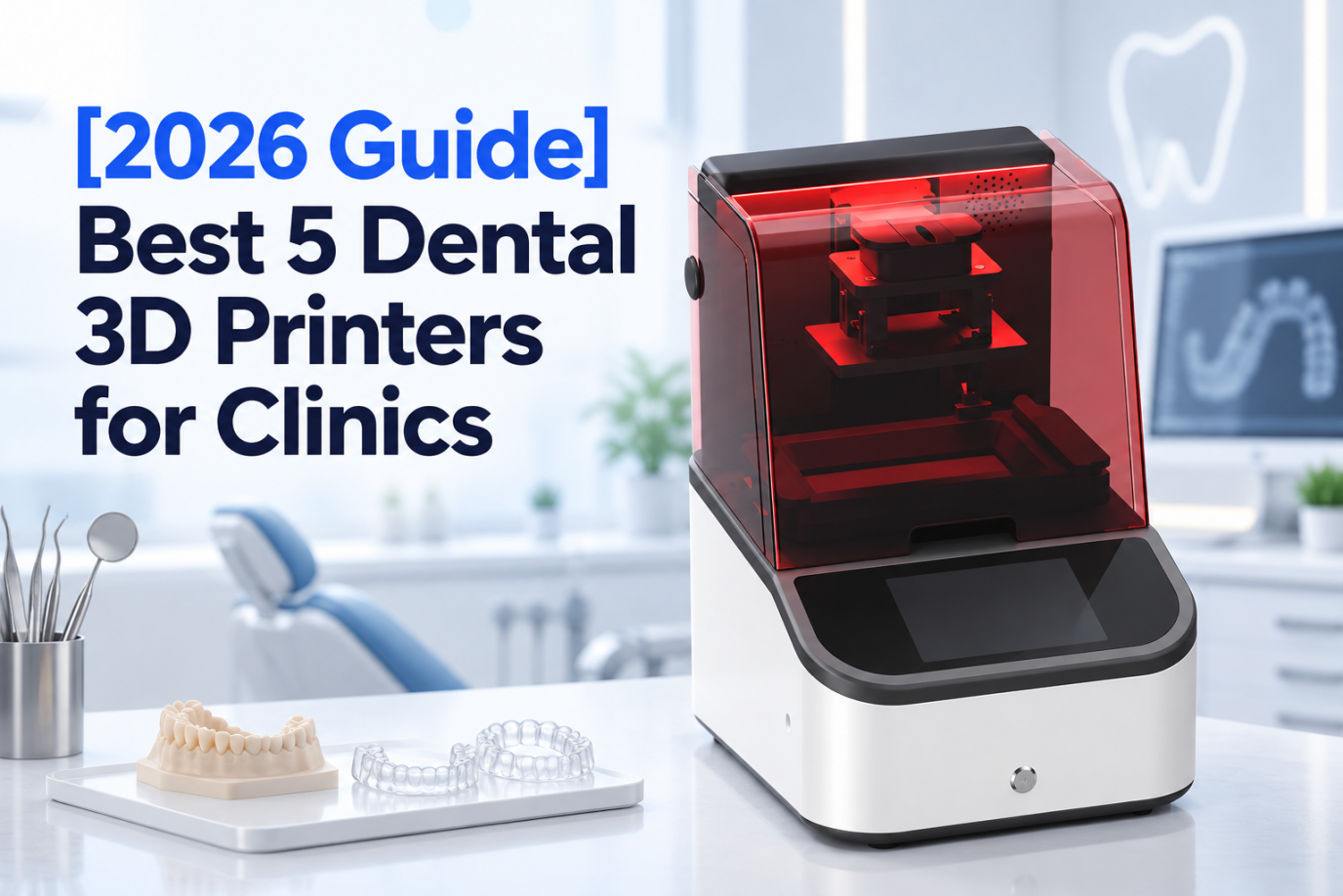
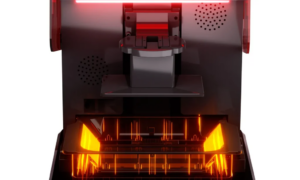
The Riton RXDent-D130 addresses this issue with real-time resin level monitoring and automatic resin refilling. Instead of requiring operators to repeatedly check the resin level and manually replenish the material, the system can automatically maintain the supply during operation. Riton also incorporates a door-open sensor to improve equipment safety. These features are particularly relevant for business laboratories seeking more streamlined and standardized production.
Reducing manual intervention also supports workflow scalability. When production expands, laboratories need processes that remain manageable across more cases and operators. Automation of routine monitoring can allow technicians to spend more time on design, quality inspection, finishing, and other tasks that require professional judgment.
Environmental Control Supports Consistent Printing
Resin behavior is affected by environmental conditions, making temperature management an important consideration when we evaluate professional equipment. A printer that can actively manage its operating environment can provide a more controlled platform for printing, particularly when laboratories need to process materials with different characteristics.
The RXDent-D130 incorporates dual heaters and humidity monitoring to help establish stable printing conditions. Riton specifies that the system can achieve custom heating up to 45°C within five minutes. This capability is particularly valuable when printing with high-viscosity resins, where controlled heating can help create suitable material conditions before production begins.
We see this environmental management as an important distinction between a basic resin printer and a professional dental production system. Rather than relying entirely on ambient laboratory conditions, the printer actively contributes to controlling the environment in which the material is processed.
Resolution Must Work With the Entire Workflow
Resolution remains important, but we should not use pixel size or optical specifications as the only measure of printer quality. Dental production requires the entire process to work together, from digital model preparation and material selection to printing, washing, curing, support removal, and final inspection.
We offer the RXDent-D130 alongside the larger RXDent-L230. The D130 has a molding size of 130 × 70 × 120 mm and is offered with 1920 × 1080 resolution configuration. The L230, meanwhile, provides a larger 228 × 128 × 150 mm molding size and 30 μm pixel size. This range allows laboratories to select equipment according to their production requirements rather than adopting a single configuration for every application.
Material compatibility is equally important. Riton develops dental-specific UV-curing resin materials and states that multiple products have obtained certifications from organizations including CE and FDA. Selecting a printer together with compatible dental materials helps us establish a more coherent and application-specific production workflow.
Post-Processing Completes the Production System
Printing does not represent the end of dental resin manufacturing. Printed components generally require cleaning, support removal, and UV post-curing before they reach their intended final condition. If these stages are inconsistent, even a capable printer cannot guarantee a consistent overall workflow.
For this reason, we consider auxiliary equipment when assessing a complete dental 3D printing solution. We offer the RXDent-W150 ultrasonic cleaner, designed for deep cleaning of intricate geometries and narrow gaps through ultrasonic cavitation. The unit has a 3.2 L capacity, 150 W power rating, and stainless steel tank and housing for use in dental post-processing.
Choosing a High Quality Resin 3D Printer for Business Growth
When we select a high quality resin 3D printer, we should evaluate more than headline specifications. Stable environmental control, automated resin management, appropriate material compatibility, production capacity, safety features, and post-processing support all contribute to the total value of the equipment.
At Riton, we combine dental resin 3D printers with specialized resin materials, auxiliary equipment, software, and digital dental solutions. The RXDent-D130 demonstrates our focus on intelligent efficiency, with automatic resin refilling, real-time monitoring, humidity management, and rapid heating up to 45°C. For modern dental laboratories, we believe this integrated approach provides a stronger foundation for reliable, scalable digital production.