Choosing a UV 3D resin supplier is not simply a matter of comparing prices or selecting the widest product catalog. For dental laboratories and clinics, the resin affects printing consistency, surface quality, dimensional stability, post-processing, and the suitability of the finished product for its intended application. We therefore recommend evaluating materials, equipment compatibility, technical documentation, and supplier support together.
At Riton, we develop dental-specific resin materials alongside resin 3D printers and digital dental solutions. Our portfolio covers dental models, surgical guides, gingiva masks, casting wax, IBT, splints, try-ins, denture bases, trays, crown bridges, crowns, and denture teeth. This application-focused approach helps us address different production requirements rather than treating dental resin as a general-purpose consumable.
Start with the Dental Application
Before comparing suppliers, we should identify exactly what we plan to print. A resin formulated for a diagnostic model may have very different requirements from one intended for a gingiva mask, surgical guide, splint, or denture base.
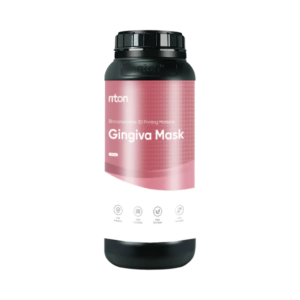
For example, Riton’s Model G2.0 is a specialized dental photopolymer resin developed for producing simulated gingiva models. Its printed models are designed to be aging-resistant, highly elastic, and tear-resistant while maintaining flexibility during long-term storage. These characteristics make application-specific formulation particularly important when evaluating dental materials.
We should also consider the production environment. A resin supplier should clearly state the intended application, printing technology, wavelength, packaging, and relevant certifications. Without this information, it becomes difficult for a laboratory to establish a standardized and repeatable workflow.
Check UV Wavelength and Printer Compatibility
UV resin does not perform independently of the printer. The light source, exposure parameters, optical system, resin formulation, and layer settings work together to determine printing results. Therefore, we should verify whether a material is actually compatible with the equipment already operating in our laboratory.
Riton’s Model G2.0 is supplied in 1 kg bottles and specifies an applicable wavelength of 385–405 nm. It is compatible with LCD/DLP equipment. These specifications should be checked before purchasing because using a resin outside its recommended equipment or wavelength range can create unnecessary parameter-development work.
We also recommend asking whether the supplier provides validated printing guidance. A good material supplier should help users understand recommended parameters and operating procedures instead of leaving laboratories to determine every setting independently.
Evaluate Material Properties Beyond Printability
A resin that prints successfully is not automatically the right dental resin. We should evaluate the properties required after printing, including elasticity, tear resistance, stability, cleanability, odor, and resistance to aging, depending on the application.
Model G2.0 is designed around several of these requirements. Riton identifies high flexibility, low irritation, easy cleaning, and low viscosity among its product features. The resin is pink and is specified for simulated gingiva models, providing a material profile aligned with the requirements of this particular dental application.
This is why we advise laboratories to compare application-specific technical data rather than relying on broad claims such as “high precision” or “fast printing.” The most useful supplier documentation explains what a material is designed to produce and which properties support that workflow.
Look Carefully at Certifications
For professional dental production, certification should be part of the supplier evaluation process. We should determine which certifications apply to the exact resin being considered rather than assuming that certifications for another product in the same supplier’s portfolio automatically apply.
The NMPA, FDA, and CE certifications for Model G2.0. The supplier also states that its dental UV curing resin portfolio includes multiple consumables with certifications from NMPA, FDA, and other organizations. We should still verify the specific documentation and intended use for each material before implementing it in production.
This level of verification is particularly important when laboratories serve clinical customers and need consistent documentation for their internal quality procedures.
Consider the Supplier’s Equipment Ecosystem
When comparing dental 3D printing resin manufacturers, we recommend looking at whether the supplier understands the relationship between resin, printer, curing, cleaning, and post-processing. A material may perform differently when moved between different equipment platforms, even if the nominal wavelength appears compatible.
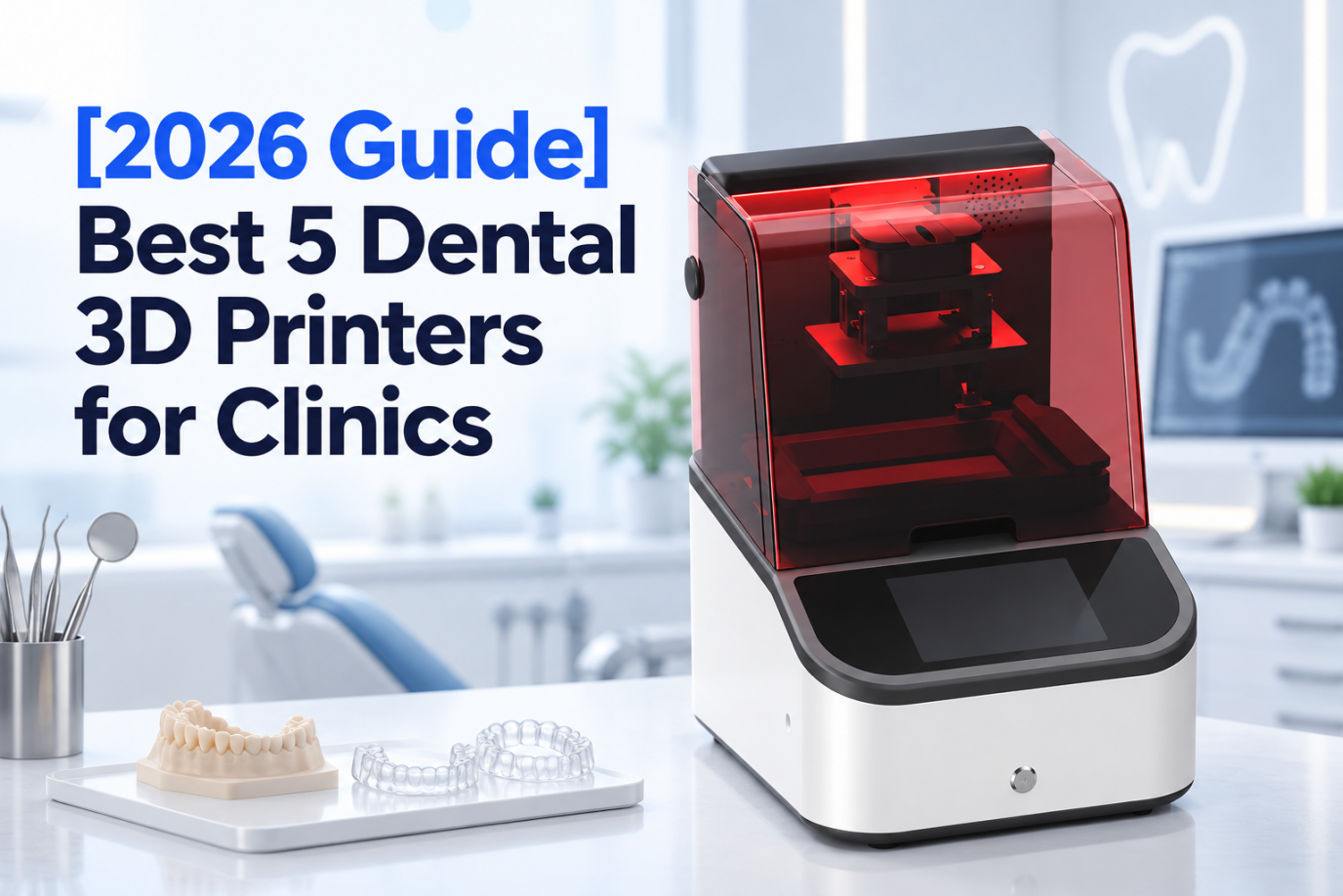
Riton provides resin 3D printers specifically for dental applications. Its RXDent-L230, for example, has a molding size of 228 × 128 × 150 mm and a 30 μm pixel size. An integrated supplier can therefore make it easier for laboratories to establish a coordinated workflow instead of sourcing every component separately.
Technical Support Matters for Long-Term Production
The relationship with a UV 3D resin supplier should continue after the first material shipment. Dental laboratories need support when introducing new materials, adjusting workflows, training operators, or troubleshooting printing problems.
Riton provides installation consulting, professional training, printer operation training, post-processing training, online technical support, and on-site service. This broader support structure helps us approach digital production as a complete workflow rather than simply purchasing consumables.
Choosing a Partner for Consistent Dental Production
The right UV 3D resin supplier should provide more than a bottle of photopolymer material. We should assess application suitability, wavelength and printer compatibility, material properties, certifications, equipment integration, documentation, and technical support before making a purchasing decision.
At Riton, we combine dental-specific resin materials, resin 3D printers, curing solutions, and professional services to support digital dental production. Model G2.0 demonstrates our application-focused approach, with 385–405 nm compatibility, LCD/DLP applicability, 1 kg packaging, and properties developed for simulated gingiva models. For laboratories seeking a reliable long-term partner, we can help evaluate the material and workflow requirements together.